Skip to content








In Minnesota, where winters bring snow, ice, and road salt that track into commercial kitchens, the choice becomes even more critical.
A poor flooring decision can lead to early replacement, safety violations, or customer complaints. Endless Poxybilities, a Minnesota flooring specialist, helps restaurant owners navigate options like epoxy, tile, and vinyl to find solutions that meet health codes and maximize value. This guide covers the key factors, flooring options, pros and cons, and best practices to help you make the right decision.
Key Requirements for Kitchen Flooring
Durability and Heavy Usage
Restaurant floors face nonstop stress from foot traffic, carts, and equipment. A durable material like epoxy or quarry tile withstands impact without chipping or breaking.
Slip Resistance and Safety
Grease, water, and spills make kitchens hazardous. Flooring must provide texture or additives that reduce slip risk while maintaining easy cleanability.
Hygiene and Easy Cleaning
Floors should resist bacteria, mold, and odor absorption. Seamless systems like epoxy or urethane cement eliminate grout lines where dirt and food can accumulate.
Chemical and Moisture Resistance
Cleaning agents, hot water, and food acids attack weak flooring. Materials must handle harsh cleaners and constant moisture without swelling or peeling.
Compliance With Codes
Local health and safety codes in Minnesota require slip resistance, ease of sanitation, and durability. Choosing a compliant material avoids fines and closures.
Flooring Options for Restaurants
Quarry or Ceramic Tile
A long-standing favorite, tile offers durability and heat resistance. Quarry tile is slip-resistant, while ceramic adds design flexibility. Grout lines, however, can stain or harbor bacteria.
Epoxy and Urethane Cement
Seamless, chemical-resistant, and long-lasting, epoxy and urethane cement coatings are top choices for back-of-house areas. They bond directly to concrete, creating a waterproof and hygienic surface.
Vinyl and Rubber Flooring
Resilient and comfortable, vinyl and rubber reduce fatigue in standing workers. They come in sheet or tile forms, offering design options but limited durability against heavy impact.
Polished or Coated Concrete
Concrete is cost-effective and can be enhanced with sealers or coatings. It is strong but can be slippery if not treated with texture or additives.
Hybrid and Composite Systems
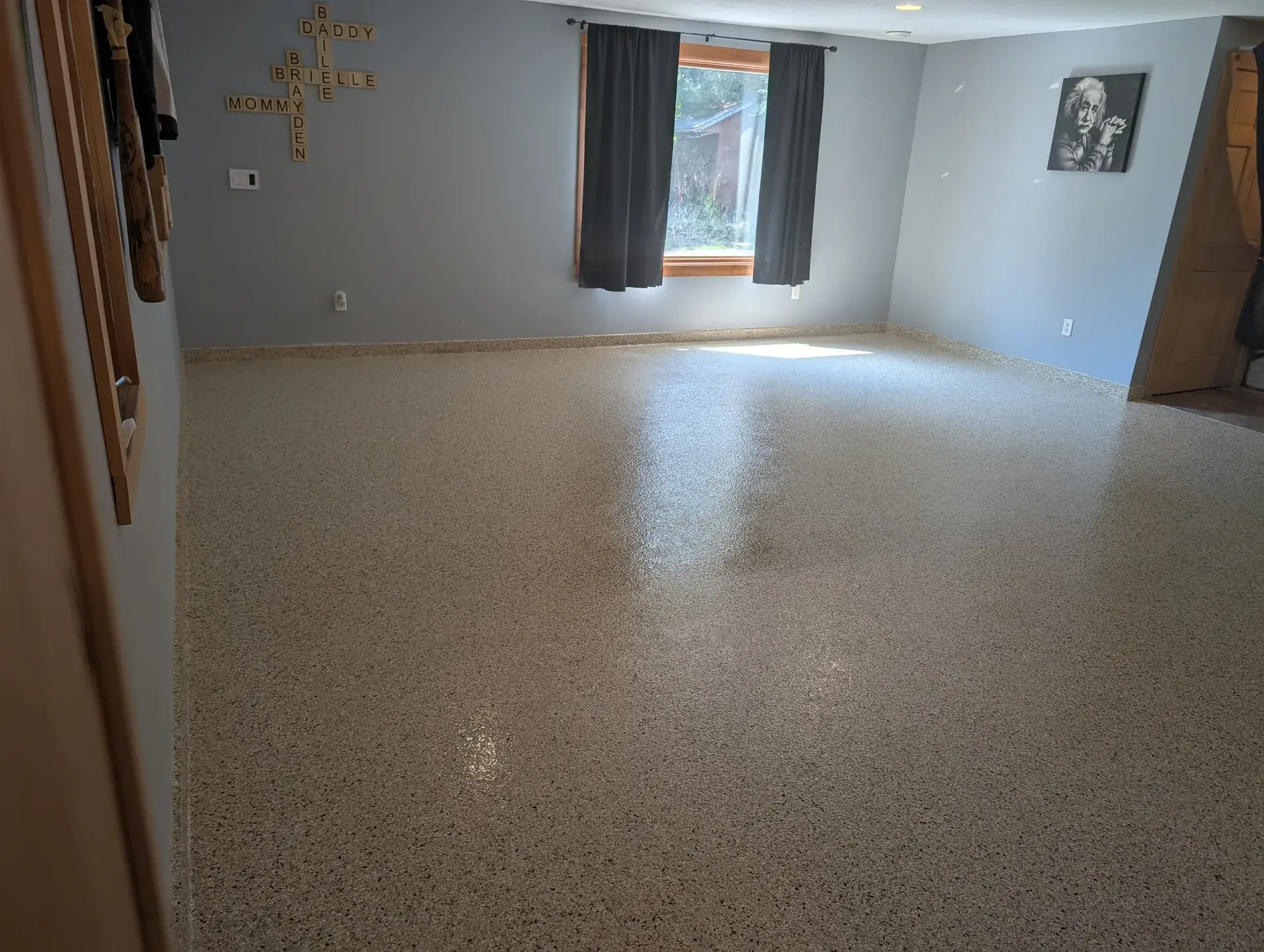
Some restaurants use a combination, like epoxy with decorative quartz or flakes for traction and durability, blending aesthetics with performance.
Pros and Cons of Flooring Options
Tile Pros and Cons
Tile is heat-resistant and durable, but grout requires constant maintenance. Replacing cracked tiles can be disruptive and costly.
Epoxy Pros and Cons
Epoxy is seamless, customizable, and highly resistant to chemicals. Its drawback is proper installation—it requires expert preparation and downtime during curing.
Vinyl Pros and Cons
Vinyl is affordable and easy on the feet, making it good for dining areas. However, it may dent under heavy equipment and is less heat-resistant.
Concrete Pros and Cons
Concrete is budget-friendly and long-lasting, but without coatings, it stains easily and can create safety hazards if wet.
Hybrid Pros and Cons
Hybrid systems offer the best of both worlds, combining traction, aesthetics, and durability. However, they require skilled installers and a higher upfront investment.
Back of House vs Front of House
Back of House Needs
Kitchens demand slip resistance, chemical durability, and seamless hygiene. Epoxy or urethane cement is ideal in dishrooms, prep lines, and cook stations.
Front of House Needs
Dining areas focus on aesthetics and comfort. Vinyl planks, decorative concrete, or tile create inviting designs while still meeting safety standards.
Longevity and Maintenance
Routine Cleaning
Daily sweeping and mopping with neutral cleaners keep floors safe and sanitary. Non-slip finishes should be maintained with proper products.
Preventive Measures
Installing floor drains, cove bases, and slip-resistant coatings extends life. Routine inspections catch cracks or wear early.
Resurfacing or Replacement
Epoxy and urethane floors can be resurfaced with new topcoats, while vinyl and tile may require full replacement after years of use.
Installation and Best Practices
Surface Preparation
Professional grinding or shot blasting ensures coatings bond to concrete. Skipping prep leads to peeling and early failure.
Proper Drainage
Floors should slope toward drains to prevent puddling and bacterial growth. Cove bases seal wall-floor transitions for sanitation.
Timing and Temperature
Installation must consider Minnesota’s seasonal temperature changes. Professional crews like Endless Poxybilities schedule projects for proper curing conditions.
Decision Framework for MN Restaurants
Workflow and Usage
Busy, high-volume kitchens benefit from urethane cement or epoxy, while smaller cafés may opt for vinyl or tile.
Budget vs Performance
Vinyl and concrete offer lower costs upfront, but epoxy and urethane provide superior ROI with fewer repairs and longer lifespans.
Conclusion and Recommendation
The right restaurant flooring balances safety, hygiene, durability, and cost. For Minnesota kitchens, materials must also handle snow, moisture, and temperature fluctuations.
Epoxy and urethane cement deliver the best all-around performance for back-of-house, while tile, vinyl, or decorative systems can enhance front-of-house aesthetics.
Endless Poxybilities, based in Minnesota, specializes in helping restaurant owners choose and install flooring solutions that meet code, protect workers, and elevate customer experience.
Schedule a consultation to explore the best commercial kitchen flooring MN options for your business.